

Deep within the lush, humid, and often impenetrable forests of the Indonesian archipelago, a secret world thrives under the canopy. For the past year, our team at The Mystery of the Indonesian Gecko has embarked on a dedicated expedition to document one of the most fascinating—and often overlooked—predators of the tropical night: the hunting forest geckos.
While geckos are commonly associated with the friendly Tokeh found in our homes, the forest-dwelling species are a completely different breed. They are master tacticians, stealthy hunters, and silent survivors of the deep jungle.
The Stealth Predators of the Night
Unlike their house-dwelling cousins, forest geckos have evolved specialized traits to survive in an environment where competition for insects is fierce. Over the last 12 months, our field research has revealed three key pillars of their hunting success:
1. Camouflage Mastery
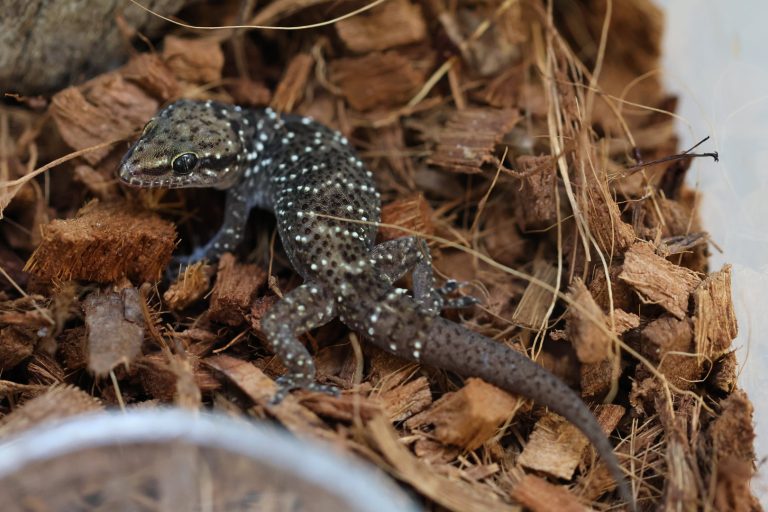
Many species we encountered, particularly in the genus Cyrtodactylus (Bent-toed geckos), possess incredible disruptive coloration. They don’t just match the color of tree bark; their skin textures mimic lichen, moss, and rotting wood. Watching one remain perfectly still while a predator or prey passes by is a masterclass in natural engineering.
2. The Ambush Strategy
These geckos are not high-speed pursuit predators. Instead, they are “sit-and-wait” hunters. They anchor themselves securely on trunks or leaves, waiting for crickets, moths, or spiders to venture within striking distance. When the moment arrives, the speed of their strike is almost impossible to follow with the naked eye.
3. Acoustic Communication
One of the most surprising findings this year was the complexity of their vocalizations. While often described as silent, our acoustic monitoring revealed that these geckos use nuanced chirps and clicks to maintain territory and perhaps even coordinate hunting efforts during the peak of the rainy season.
Challenges in the Field
Researching these elusive creatures over the past year has been far from easy. We have faced:
- The Seasonal Shifts: During the peak monsoon, tracking becomes difficult as many species retreat deeper into the canopy.
- Biodiversity Loss: Many of the habitats we surveyed are under pressure. The disappearance of primary forest means these specialized geckos are being pushed into fragmented pockets, making their survival precarious.
- Cryptic Behavior: Many forest geckos are nocturnal and highly sensitive to light, requiring us to use specialized low-impact red-spectrum lighting to observe them without disrupting their natural hunting behaviors.
Why They Matter
Geckos are critical components of the Indonesian forest ecosystem. As efficient insectivores, they play a massive role in controlling populations of pests and agricultural insects. Furthermore, their presence is a strong indicator of ecosystem health. A forest filled with diverse gecko species is a forest that is still breathing and balanced.
“To understand the forest, you must look beyond the trees and into the shadows. The forest gecko is not just a reptile; it is a sentinel of the night, holding the complex insect populations of our jungles in check.” — Field Lead, The Mystery of the Indonesian Gecko
Looking Forward
As we conclude this first year of our project, we are only just scratching the surface. We have identified three potential new sub-species in the remote mountains of Sulawesi and West Papua, and we are working with local taxonomists to confirm these findings.
Our journey to uncover the secrets of these small, scaly hunters continues. We invite you to stay tuned as we prepare to publish our full photographic compendium and behavioral data logs later this year.
Do you want to know more about our specific findings regarding the rare Leaf-tailed geckos we encountered in West Papua?


Leave a Comment